Council Approvals for Residential, Commercial & Light Industrial Projects
Almost every building project in NSW falls into one of three categories: exempt development (no approval needed), complying development (a fast-track CDC), or a full Development Application. Which one applies depends on your zoning and the controls over your specific lot, not on the type of project. EHUP checks that first, free, then prepares and lodges whatever is required and deals with council until it is determined.
No obligation. We tell you what approval you actually need before you spend anything.
Typical timeline
CDC 2–3 weeks · DA typically 6–10 weeks
Indicative fee
From $2,200 + GST for a straightforward CDC package
Quoted fixed after a free scope check
Start with your property type
The three pages below are where most people should begin. Each one covers what falls into the
category, how DA, CDC and exempt development typically apply to those projects, what EHUP handles,
indicative fees, and real examples with council areas and timeframes.
The three approval pathways, in plain English
Exempt development means no approval is required at all, provided the work meets every one of
a specific set of criteria - maximum height, floor area, distance from boundaries, and so on. Miss
one criterion and it is no longer exempt.
Complying development is the fast-track pathway. A private certifier or council issues a
Complying Development Certificate, usually in two to three weeks, but only where the proposal
satisfies the Codes SEPP in full. No merit assessment, no neighbour notification, no discretion.
A Development Application is the merit-assessed pathway. Council weighs the proposal against
the planning controls and can approve it with conditions, approve a variation, or refuse it. It is
slower and it involves neighbour notification, but it is also the only pathway where a proposal
that does not strictly comply can still be approved.
Application types we handle
Once you know the pathway, the specific application type follows. Development Applications and
Complying Development Certificates cover most new work. A change of use applies when the
building stays the same but what happens inside it changes - retail to café, warehouse to gym.
A Section 4.55 modification amends a consent you already hold. A Section 8.3 review is the
formal reconsideration route after a refusal, and it has a strict deadline. And where work has
already been built without approval, regularisation brings it into the system.
Every one of those has its own page with the process, timeline and cost, linked below.
Why use a consultant at all
You are entitled to lodge your own application, and for genuinely simple matters some people do.
The value is in two specific places. First, pathway selection - lodging a full DA for something
that qualified as complying development costs a month and several thousand dollars for nothing.
Second, completeness - the majority of delays are requests for further information triggered by a
package that was missing something predictable.
How it works
1
Free scope check
Same or next business day
Send us the address and what you want to do. We check the planning controls and tell you which pathway applies.
2
Written scope and fixed fee
Within 2 business days
A written list of exactly which documents and reports your application needs, with a fixed fee for our work and council's fees shown separately.
3
Documentation prepared
2–4 weeks typically
Planning report or SEE, drawings, and any specialist reports coordinated on your behalf.
4
Lodgement and council liaison
CDC 2–3 weeks · DA 6–10 weeks
We lodge through the Planning Portal and manage all correspondence until determination.
What we take off your hands
What EHUP handles
✓Checking the zoning, LEP and DCP controls and any overlays on your lot
✓Confirming the correct approval pathway before you spend money on drawings
✓Preparing the planning report or Statement of Environmental Effects
✓Coordinating every specialist report the site requires
✓Lodging through the NSW Planning Portal and paying the fee schedule correctly
✓Responding to council's requests for further information
What you don't have to deal with
-Reading a 300-page Development Control Plan
-Managing five separate consultants and chasing their deadlines
-Working out which of council's twelve forms applies to you
-Taking phone calls from an assessing planner mid-workday
Commercial and light industrial projects span a wide range - from a cafe fitout that can be certified in two to three weeks, to a warehouse development where the capital at risk makes feasibility the first priority, not documentation.
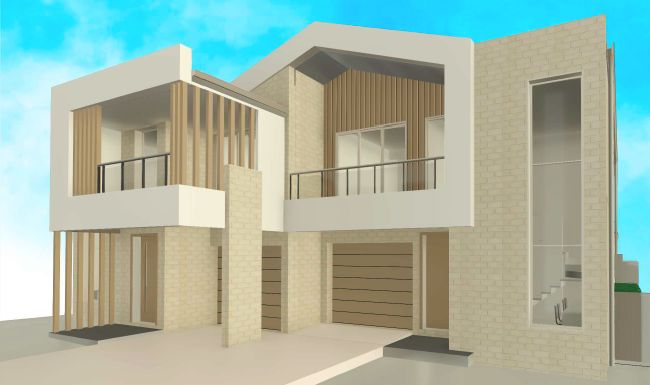
Council requires a minimum of 700m² of land for a Torrens title subdivision of a dual occupancy in an R2 zone under Campbelltown City Council. The subject property comprises 655m², a shortfall of 45m². EHUP secured development approval despite this shortfall in land size.
Regularisation - community facility use · Ryde LGA
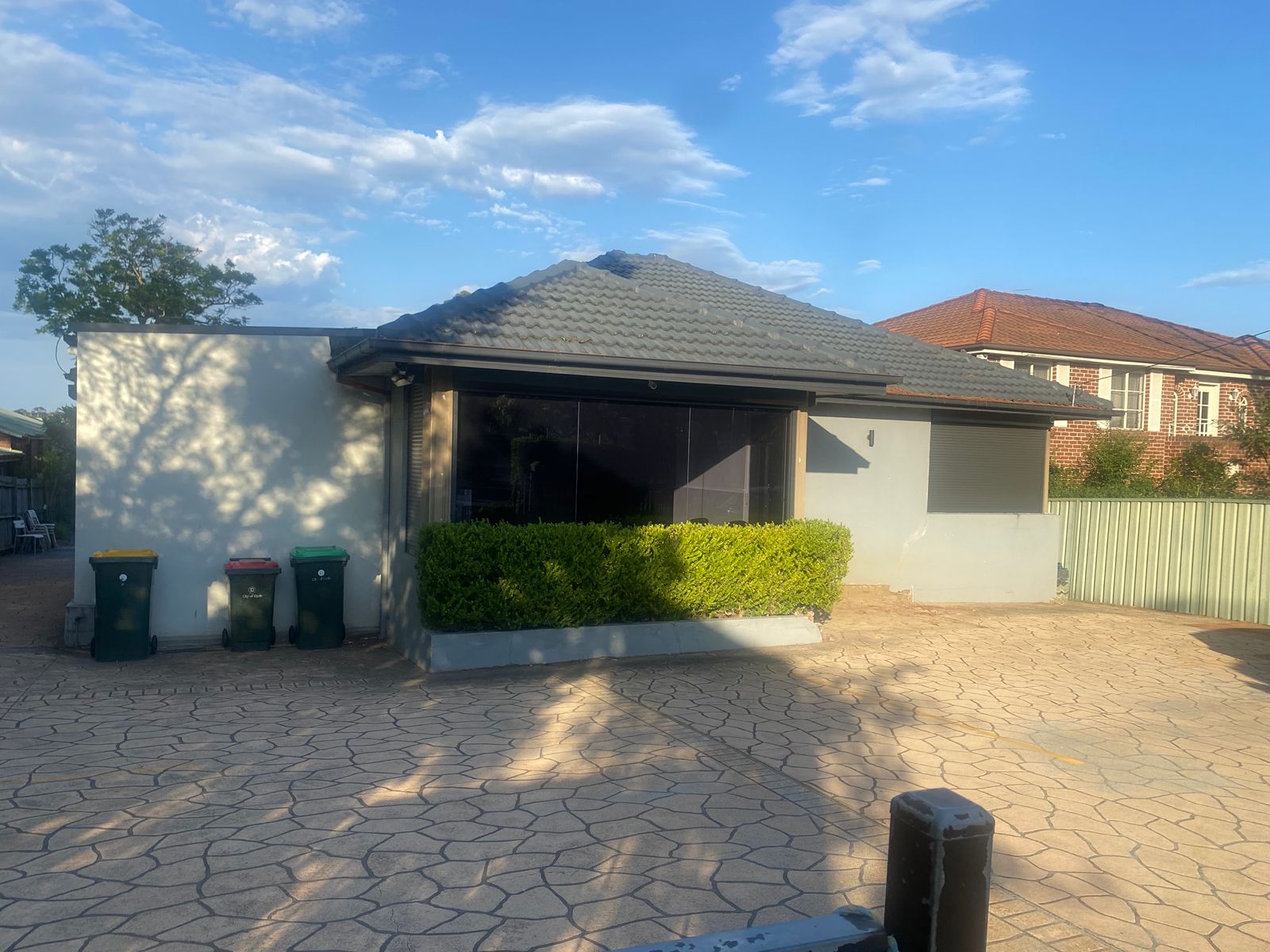
The residential dwelling had been used as an Islamic community centre, hosting congregational prayer, for more than 10 years. A number of unauthorised works had also been carried out to facilitate this use, and several prior applications had been rejected by Council. EHUP was engaged and successfully regularised the use of the community centre, together with all associated unauthorised structures.
Frequently asked questions
How do I know whether I need a DA or a CDC?
It depends on the zoning of your lot, the controls in your council's Local Environmental Plan and Development Control Plan, and whether any overlay applies - heritage, bushfire, flood or acid sulfate soils. A project that is complying development on one street can require a full DA one street over. We check the property itself rather than guessing from the project type.
Can you lodge the application for me, or do I have to?
We lodge it. Applications go through the NSW Planning Portal, and we handle the lodgement, the fee schedule and every subsequent request for further information. Council correspondence comes to us.
What happens if council asks for more information?
That is routine, not a bad sign. Council issues a request for further information and we respond on your behalf, usually within a week. Applications that are prepared properly get fewer of these, which is the main reason a well-assembled package is determined faster.
Do you handle projects outside Canterbury-Bankstown?
Yes. We are based in Lakemba but work across the Sydney metropolitan area, including Georges River, Bayside, Inner West, Cumberland, Liverpool, Parramatta, Blacktown, Ryde, Penrith and the Sutherland Shire.
A change of use application is needed when the building stays the same but what happens inside it changes - retail to cafe, warehouse to gym, office to medical suite.
Read more →
Why clients choose EHUP
Years in NSW planning & environmental health
10+
Approvals lodged and managed
250+
Sydney council areas serviced
14
Point of contact - planning + health, one firm
1
Not sure which approval you need?
Tell us the address and what you want to do. We'll help identify the appropriate planning pathway, whether it is exempt development, complying development or a full DA. Your first conversation is free.